
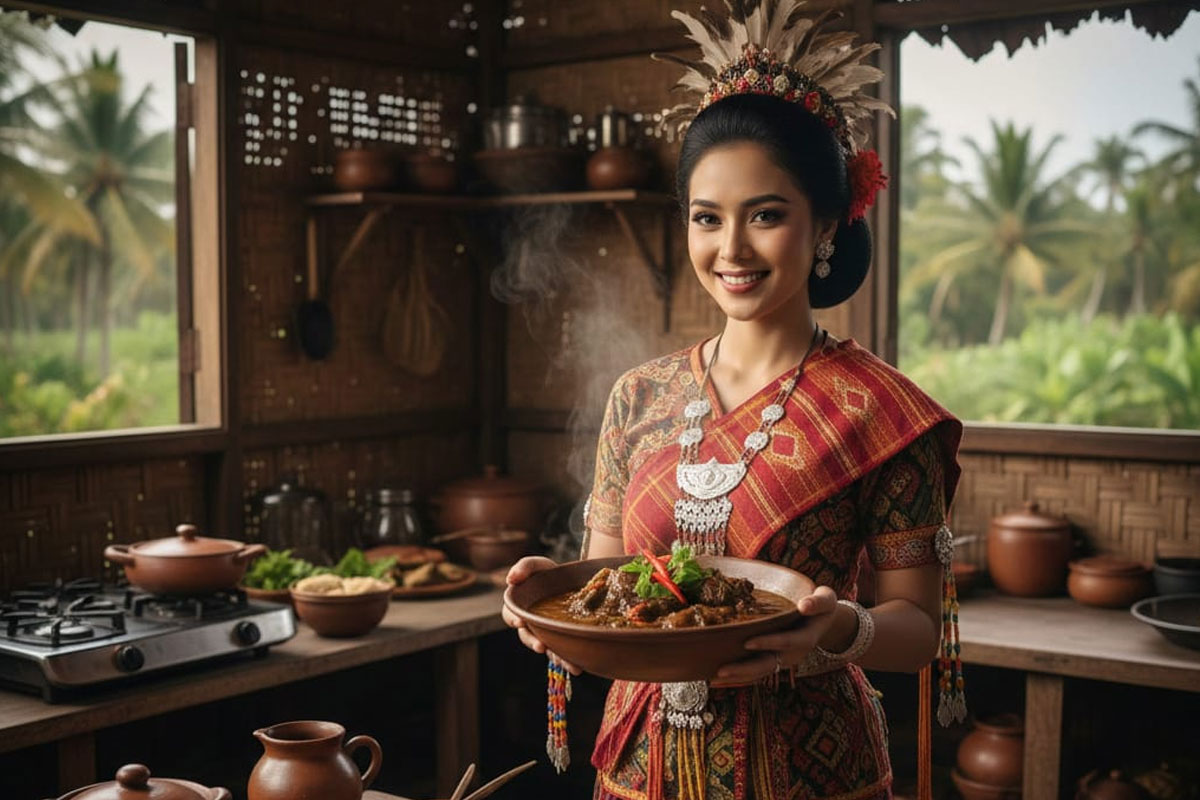
Paniki: Inside Indonesia’s Most Daring Culinary Tradition
Paniki is one of Indonesia’s most extreme traditional dishes, originating from North Sulawesi. Discover its cultural roots, preparation process, side dishes, and what it means to the local Minahasan community.
SOUTH SULAWESI – Indonesia is globally celebrated for its rich spices, vibrant street food, and comforting bowls of noodle soup. Yet beyond satay smoke and sambal heat, the archipelago hides a culinary frontier that challenges even the most adventurous eaters. One of the most extreme foods in Indonesia is Paniki.
Paniki is a traditional dish made from fruit bat, originating from North Sulawesi. It is deeply rooted in Minahasan culture, where food is not merely sustenance but an expression of heritage.
In this region, culinary traditions are bold, unapologetic, and closely tied to the natural environment. Bats, known locally as paniki, have long been hunted and prepared for ceremonial meals and special gatherings.
Inside the Kitchen: How Paniki Is Prepared
At first glance, Paniki can be confronting. The dish is made using the entire bat, cleaned thoroughly and slow-cooked in a rich blend of spices. Coconut milk, lemongrass, turmeric, ginger, chili, and kaffir lime leaves dominate the flavor profile, transforming the meat into a thick, aromatic stew.
While the ingredients may sound familiar, the main protein sets this dish firmly in the category of extreme cuisine.
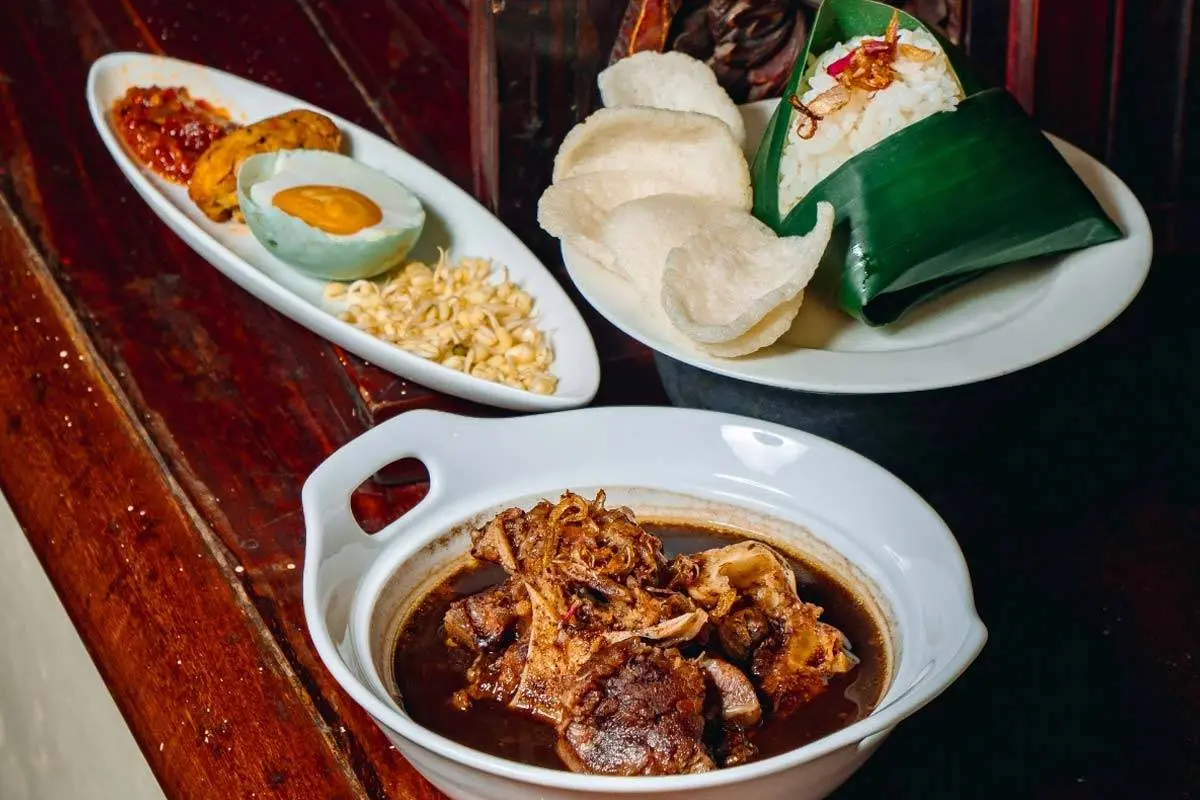
Paniki is rarely served alone. It is commonly accompanied by steamed white rice to balance the richness of the stew. Fiery rica-rica chili relish adds heat, while dabu-dabu, a fresh salsa of tomatoes, chilies, shallots, and calamansi lime, provides brightness and acidity.
In some households, boiled cassava or tinutuan, Manado’s vegetable porridge, is served alongside to soften the intensity of the meal.
A member of the local Minahasan community explains the deeper meaning behind the dish. To them, the dish has become one way to connect one another.
“For us, Paniki is not about being extreme. It is about tradition and togetherness. This is food our grandparents prepared long before tourists came. When we cook Paniki, we remember where we come from,” says Daniel Waworuntu, a community elder from Tomohon (24/1/2026).

The Taste That Divides Opinion
Taste-wise, those who have tried Paniki often describe it as surprisingly complex. The meat is said to resemble a cross between chicken and wild game, with a stronger, earthier character. The heavy use of spices plays a crucial role in balancing the richness of the meat and reducing any overpowering aroma.
For travelers, Paniki represents more than just an unusual meal—it is a test of openness and cultural respect. Trying extreme food in Indonesia is less about shock value and more about understanding how geography, history, and belief systems shape what people eat.
In Indonesia, extreme food is not meant to provoke fear, but to tell a story. And Paniki is one of its boldest chapters. (*)
Simak breaking news dan berita pilihan TIMES Indonesia langsung dari WhatsApp-mu! Klik 👉 Channel TIMES Indonesia. Pastikan WhatsApp kamu sudah terpasang.
Berita ini juga tayang di portal nasional
Baca versi lengkapnya di jaringan nasional kami.
