

Papeda, Exotic Dish from Eastern Indonesia
Discover Papeda, an exotic Indonesian dish from Papua and Maluku made of sago starch. Explore its unique texture, cultural meaning, and sustainable heritage.
PAPUA – For many travelers, Indonesian cuisine is synonymous with fried rice, satay, or rendang. Yet beyond the familiar flavors lies a culinary tradition that feels almost otherworldly in both texture and story. Papeda, a staple food from Eastern Indonesia, is one of the country’s most exotic and culturally rich dishes.
Papeda is a thick porridge made from sago starch, extracted from the trunk of the sago palm. It is commonly consumed in Papua and Maluku, regions where rice has never been the main source of carbohydrates. Visually, Papeda is striking.
Its glossy, translucent appearance and elastic texture resemble molten glass, something rarely seen on a dinner table. For first-time eaters, it can be both fascinating and intimidating.
Unlike most porridges, Papeda has a neutral taste. This is intentional. The dish is designed to absorb the flavors of its accompaniments, most notably ikan kuah kuning, a fragrant yellow fish soup seasoned with turmeric, garlic, lemongrass, and lime.
"The warm, spicy broth balances Papeda’s mildness, creating a harmonious blend that feels comforting and deeply nourishing," Rudy Rawambauw, a local community of Papua said (17/1/2026)
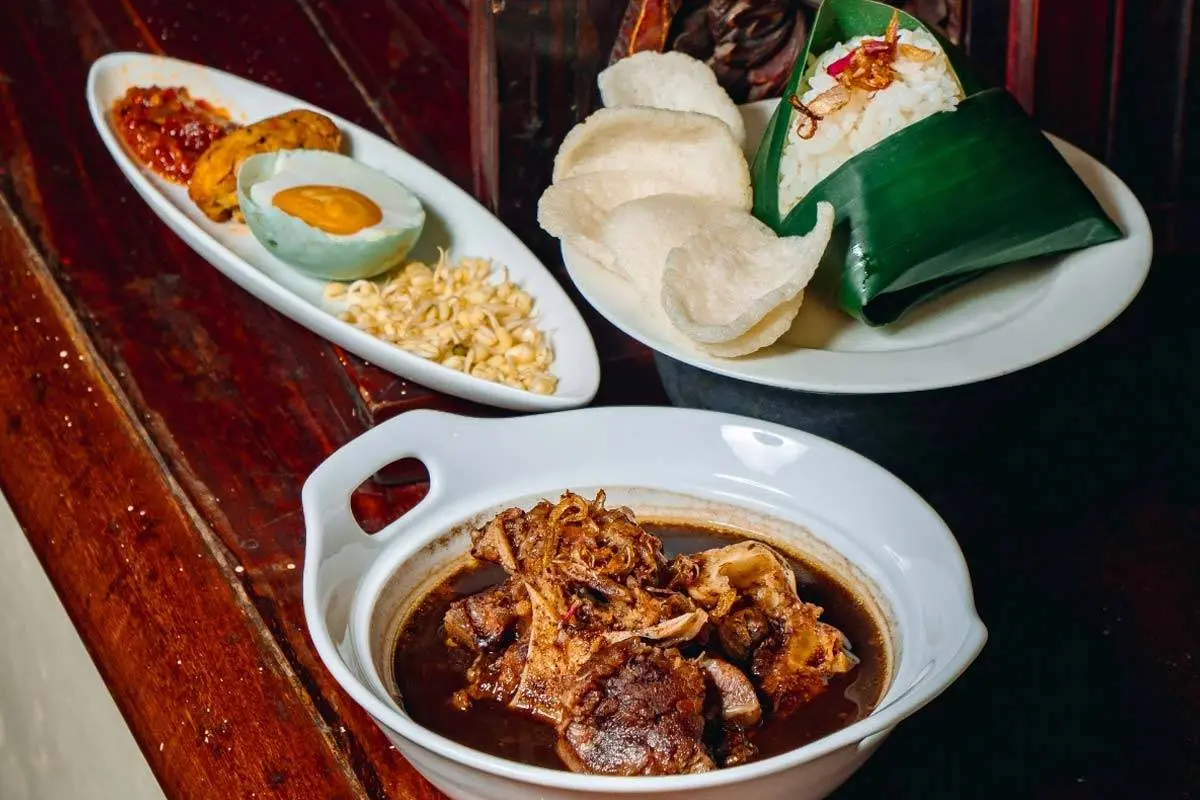
Eating Papeda is a ritual in itself. Instead of using a spoon, locals traditionally use two wooden sticks or forks to twirl the sticky porridge, lifting it carefully and transferring it to a plate or bowl.
The process encourages patience and togetherness, as Papeda is often shared communally. In many Papuan households, meals are not rushed; they are moments of connection.
Beyond its unique texture, Papeda carries a strong ecological message. Sago palms grow naturally in swampy areas and require minimal human intervention. Compared to rice cultivation, sago farming is more environmentally friendly and resilient to climate change.
For generations, indigenous communities have relied on sago as a sustainable food source, proving that traditional knowledge often holds solutions for modern challenges.

Papeda is also deeply symbolic. It represents identity, resilience, and respect for nature. In cultural ceremonies and traditional gatherings, serving Papeda is a way of honoring ancestors and preserving heritage. It reminds people that food is not just about taste, but about belonging.
As Indonesian cuisine gains global attention, Papeda remains a hidden gem—less commercialized, yet profoundly authentic. For adventurous food lovers, trying Papeda is more than tasting an exotic dish. It is an invitation to understand Eastern Indonesia through its land, its people, and their timeless relationship with nature. (*)
Simak breaking news dan berita pilihan TIMES Indonesia langsung dari WhatsApp-mu! Klik 👉 Channel TIMES Indonesia. Pastikan WhatsApp kamu sudah terpasang.
Berita ini juga tayang di portal nasional
Baca versi lengkapnya di jaringan nasional kami.
