 Life Style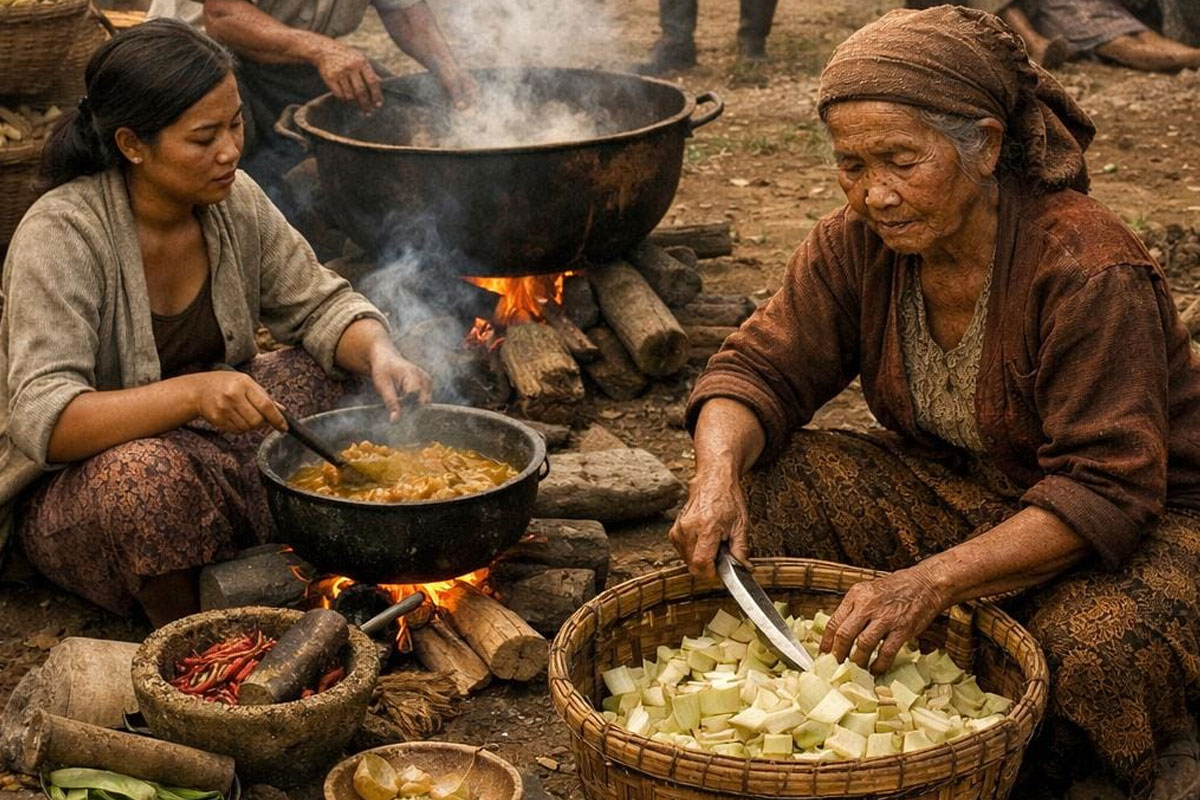
TIMES AUSTRALIA, JAKARTA – Indonesia’s culinary heritage is filled with dishes that tell stories of abundance, but ares tells a different story—one of survival. Made from the inner core of banana stems, ares is a traditional dish that emerged from necessity, local knowledge, and resilience. Long before it became a cultural delicacy, ares was a way for communities to endure hardship.
During the Dutch colonial era, many rural Indonesian communities faced severe food shortages. Forced cultivation systems, land exploitation, and limited access to rice and protein left villagers with little to eat.
In those difficult times, people turned to what grew freely around them. Banana trees, abundant and resilient, became a vital source of sustenance—not only for their fruit, but for every usable part of the plant.
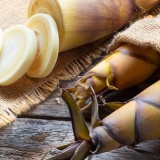
The inner banana stem, often overlooked, was carefully harvested and processed. Local communities learned to soak and boil it repeatedly to remove bitterness and sap, transforming it into something edible and filling. What began as a survival food gradually evolved into a dish with identity, flavor, and cultural meaning.
Lombok: Ares as Food of Resilience
In Lombok, ares holds a particularly strong historical memory. Elders recount how banana stem dishes sustained families during periods of colonial oppression and famine. Cooked slowly in coconut milk with turmeric, galangal, garlic, and chilies, Ares Lombok became both nourishment and comfort.
Over time, what was once eaten out of desperation became a ceremonial dish served at weddings and communal gatherings, symbolizing endurance and gratitude.
Bali: From Scarcity to Sacred Offering
In Bali, banana stems were also consumed during times when access to staple foods was limited. Villagers incorporated ares into simple meals during hardship, later enriching it with base genep spices as conditions improved.
Today, ares is sometimes prepared for religious ceremonies, reflecting a transformation from food of scarcity into a dish with spiritual value—honoring the belief that nature provides even in its harshest moments.
Java: Everyday Survival Food
Across parts of Java, banana stem dishes were once common among farming communities affected by colonial agricultural policies. Cooked plainly with garlic, shallots, and bay leaves, ares served as an everyday survival meal.
Its mild flavor and availability made it a reliable substitute when rice was scarce, reinforcing the Javanese philosophy of simplicity and endurance.
Sumatra: Strength in Bold Flavors
In Sumatra, ares was adapted into spiced curries and stir-fries rich with herbs and chilies. These bold flavors masked the simplicity of the ingredient, turning hardship food into something warming and sustaining. For many, banana stem dishes were believed to strengthen the body during long days of labor under colonial rule.
A Living Memory on the Plate
Today, ares stands as a reminder of Indonesia’s past—of hunger, resilience, and creativity. What once kept communities alive during colonial hardship is now celebrated as cultural heritage. Yet, for now this dish barely able to b e found unless youasked for the local to specially cook for you.
By transforming banana stems into a meaningful dish, Indonesians preserved not just food traditions, but stories of survival passed quietly from one generation to the next.
"I once tasted long ago when my granny cook this dish, I forgot the taste, but I remember her story about the colonial time while enjoying the dish," Rina, a millenial fromTulungagung East Java said (3/2/2026) calling her memories when she ate the ares or young banana stem curry. (*)
Artikel ini sebelumnya sudah tayang di TIMES Indonesia dengan judul: Ares: Indonesia’s Banana Stem Dish Born from Survival
| Writer | : Khodijah Siti |
| Editor | : Khodijah Siti |
























 TIMES Australia