
KH Hasyim Asy’ari: Architect of Unity, Strategy, and Resistance
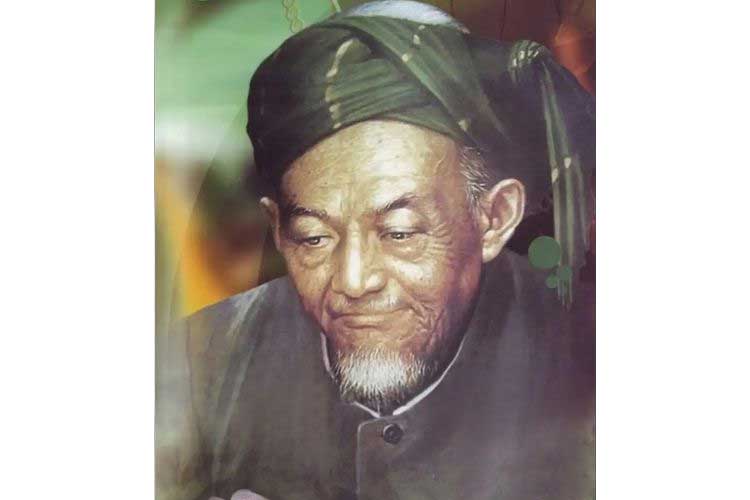
KH Hasyim Asy’ari,thhe founder of Nahdlatul Ulama. (Photo: Tebuireng Online)
MALANG – KH Hasyim Asy’ari was far more than a traditional Islamic scholar in Indonesia — he was a strategist, unifier, and visionary whose leadership helped shape the social and political fabric of Indonesian society in the early 20th century.
Born in Jombang, East Java, in the late 19th century, Hasyim Asy’ari gained deep religious knowledge that later earned him the honorary title Hadratussyekh, recognizing his stature as an expert in Islamic sciences.
His studies and early teaching extended even to Masjid al-Haram in Mecca, where he taught fellow students from the Indonesian archipelago before returning home.
Uniting Muslim Communities Through Education and Outreach
After returning to Indonesia in 1899, Hasyim Asy’ari founded Pesantren Tebuireng in Jombang. This pesantren became one of the most influential Islamic schools in Java and served as a hub of intellectual and spiritual life across social classes.
But more importantly, he did not limit his role to teaching within pesantren walls; he often brought religious learning directly into local communities — such as stepping outside the pesantren to engage farmers and villagers in practical discussions about everyday life.
His approach to leadership blended deep theological understanding with grassroots involvement, earning him credibility both as a teacher and as a community leader. This dual identity helped break down barriers between scholars and ordinary people, strengthening bonds across regions and socio-economic groups.
Strategic Collaboration: Founding Nahdlatul Ulama
In 1926, recognizing the need for Muslim unity amid colonial pressures, Hasyim Asy’ari co-founded Nahdlatul Ulama (NU) — which would grow into one of the largest independent Islamic organizations in the world.
NU’s mission went beyond religious instruction to defend cultural identity, communal harmony, and social welfare among Indonesian Muslims of diverse backgrounds.
Through NU, Hasyim Asy’ari actively promoted unity within diversity — bringing together followers of different Islamic schools of thought and aligning them toward common goals of education, social stability, and resistance against all forms of subjugation.
Resolusi Jihad: Faith as Strategy in National Resistance
His most impactful contribution came during the critical months after Indonesia’s proclamation of independence in August 1945. When Dutch colonial forces attempted to return under the guise of Allied troops, Hasyim Asy’ari and other Muslim leaders faced a pivotal choice: fight back or submit.
In October 1945, he issued the Resolusi Jihad, a religio-strategic fatwa declaring that defending the nation against re-colonization was a religious obligation for Muslims who were able.
This resolute declaration did not merely inspire spiritual devotion — it mobilized thousands of santri (Islamic boarding school students), community fighters, and ordinary citizens to actively defend Indonesian sovereignty. The fatwa’s combination of religious language and national purpose made it a powerful rallying point for resistance.
Global Solidarity and Wider Outreach
Hasyim Asy’ari’s vision exceeded national borders. Long before the age of mass media, he organized vast campaigns to support international causes — most notably fundraising for Palestinian Muslims in the 1930s through cooperation among dozens of Islamic organizations in Indonesia. This effort raised substantial funds and forged early networks of global Muslim solidarity.
Legacy: More Than a Religious Scholar
Hadratussyekh KH Hasyim Asy’ari passed away in 1947, but his legacy continued through both institutions and family lines. His son served in national leadership and his descendants, including a future president, carried forward his vision of integrating faith with national service.
What truly set Hasyim Asy’ari apart was not just his scholarship — it was his ability to translate religious principles into strategic action for unity, collective resistance, and social progress. He stands as a model of how religious leadership can become a bridge between spiritual values and national well-being. (*)
Simak breaking news dan berita pilihan TIMES Indonesia langsung dari WhatsApp-mu! Klik 👉 Channel TIMES Indonesia. Pastikan WhatsApp kamu sudah terpasang.
Berita ini juga tayang di portal nasional
Baca versi lengkapnya di jaringan nasional kami.
